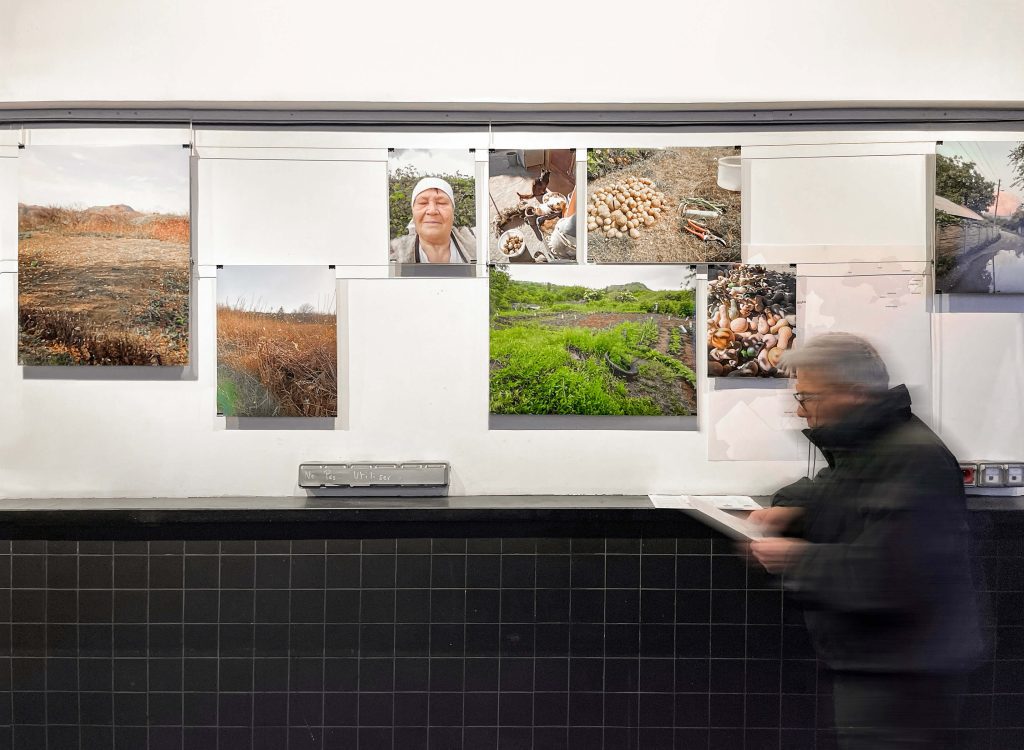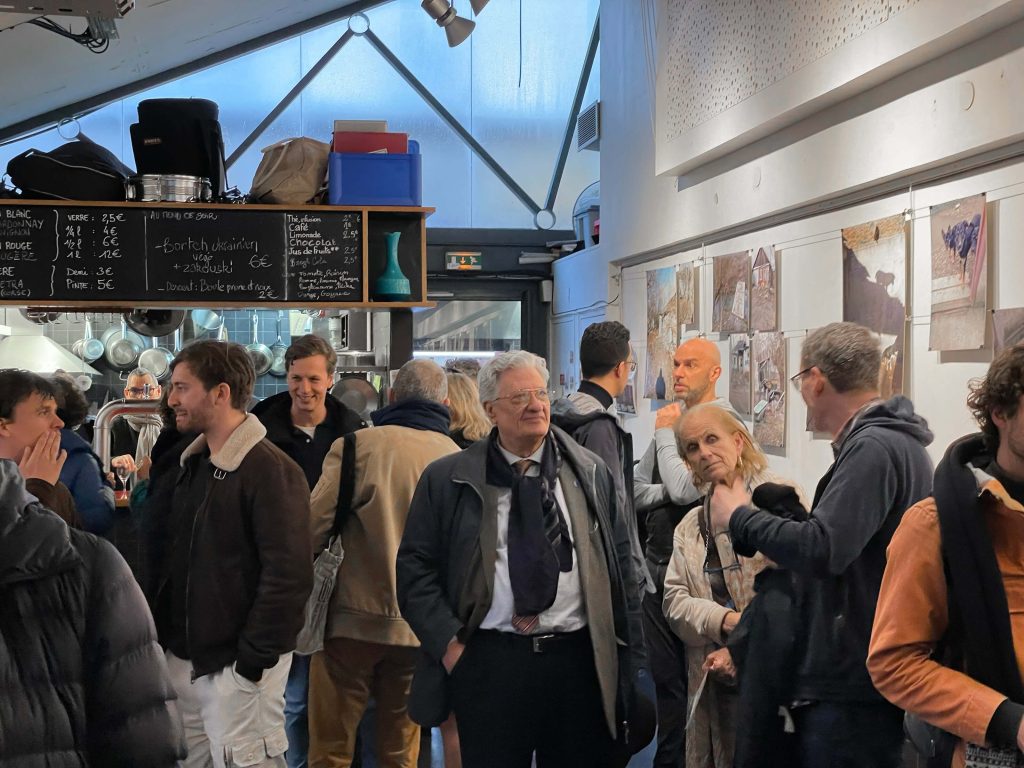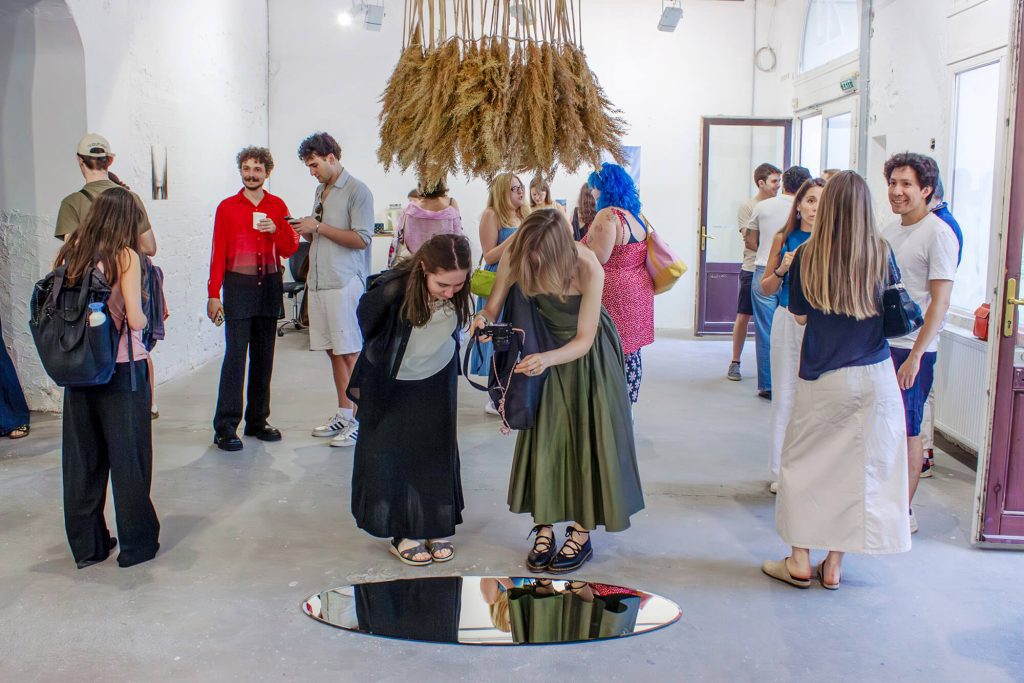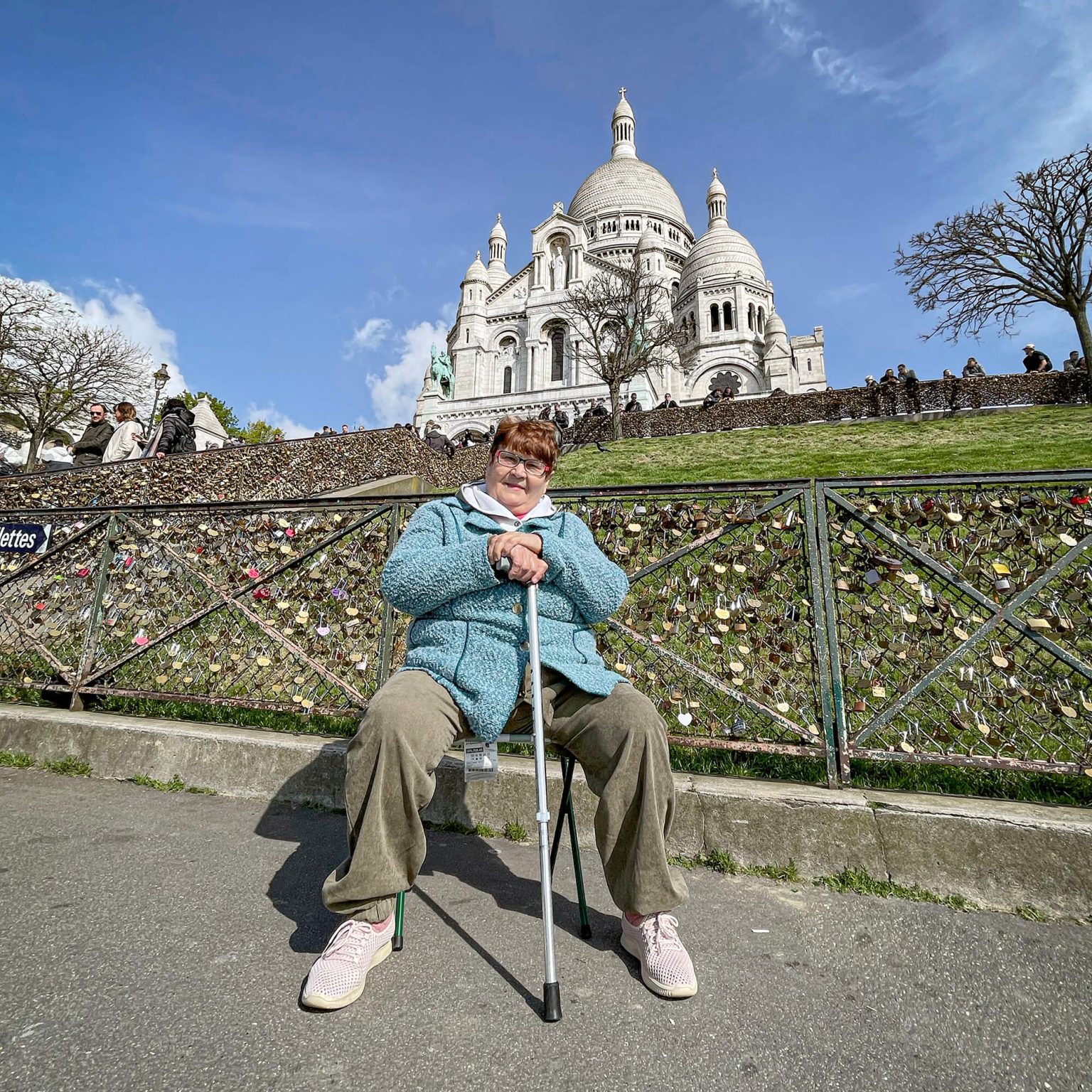
The exhibition ‘Mon Jardin Caché près de Donetsk’ was curated by Taras and supervised by William and Waldemar for his grandmother Mykhailovena, who traveled from the occupied city of Donetsk to Paris for the opening.
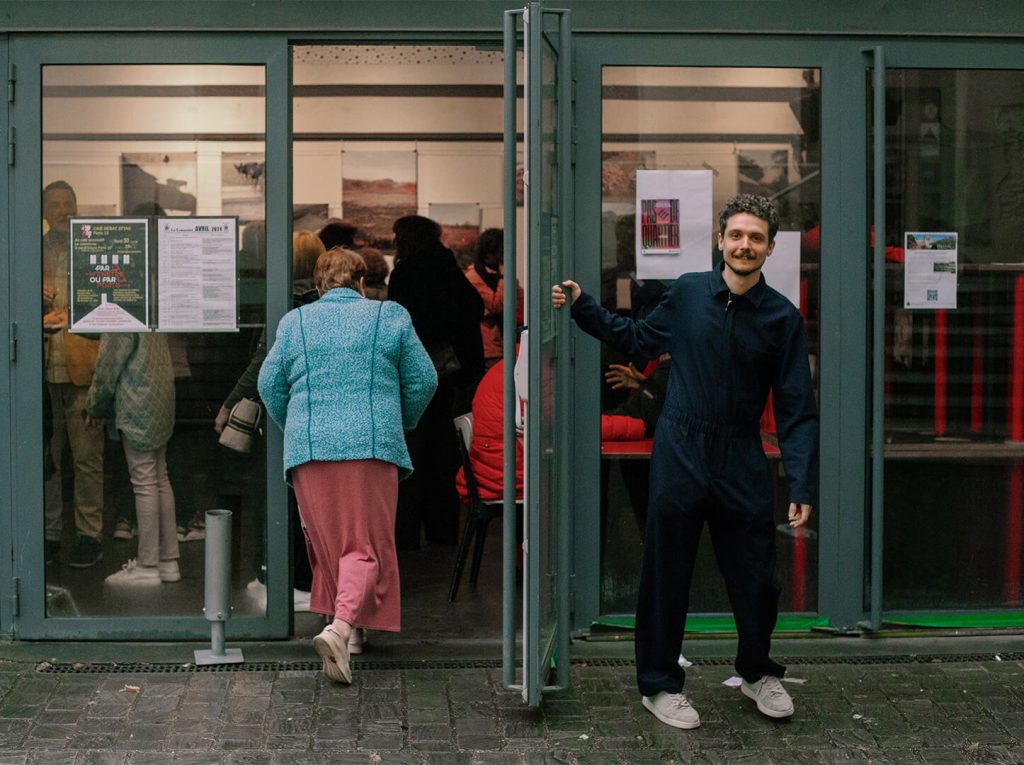
photo by Valeriia Shcherbina
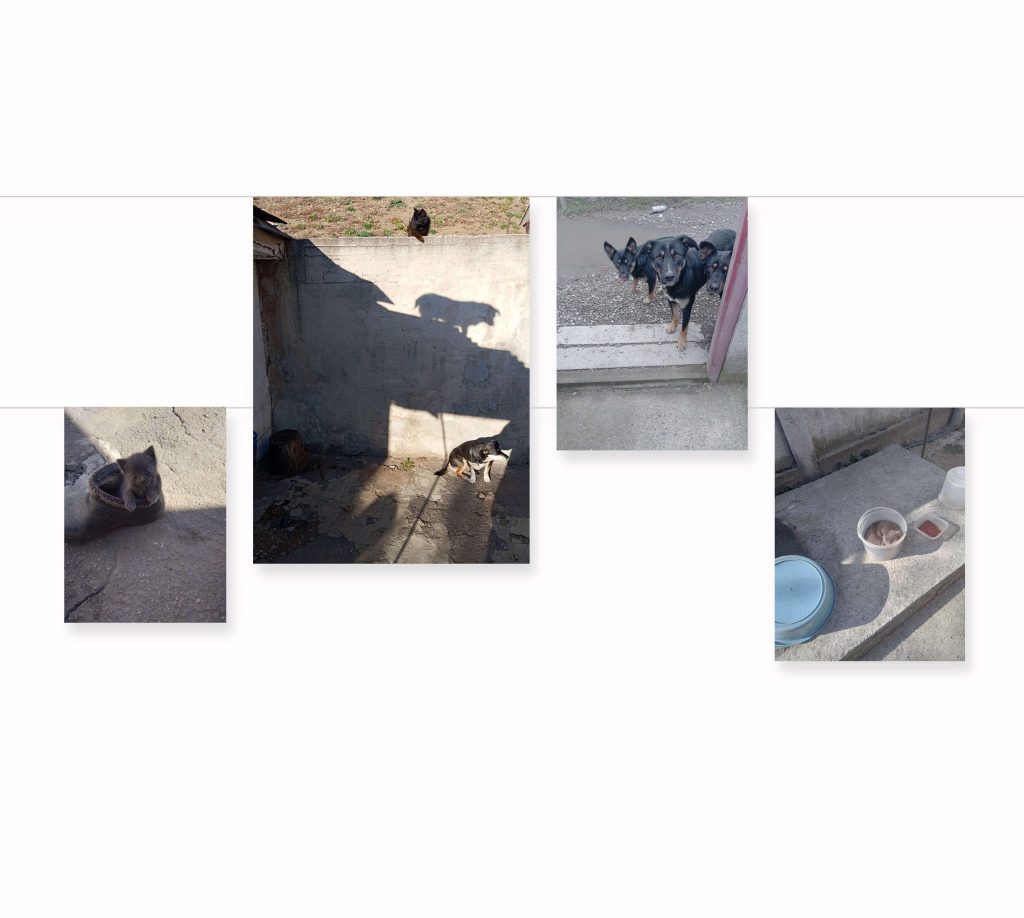
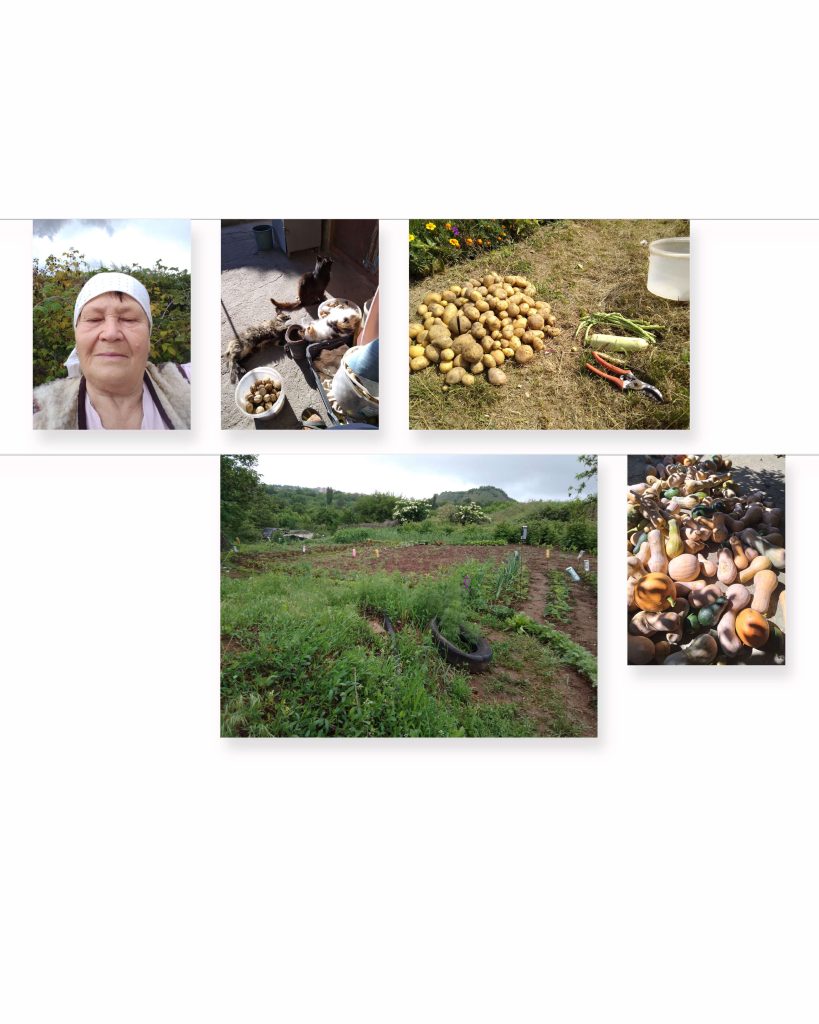
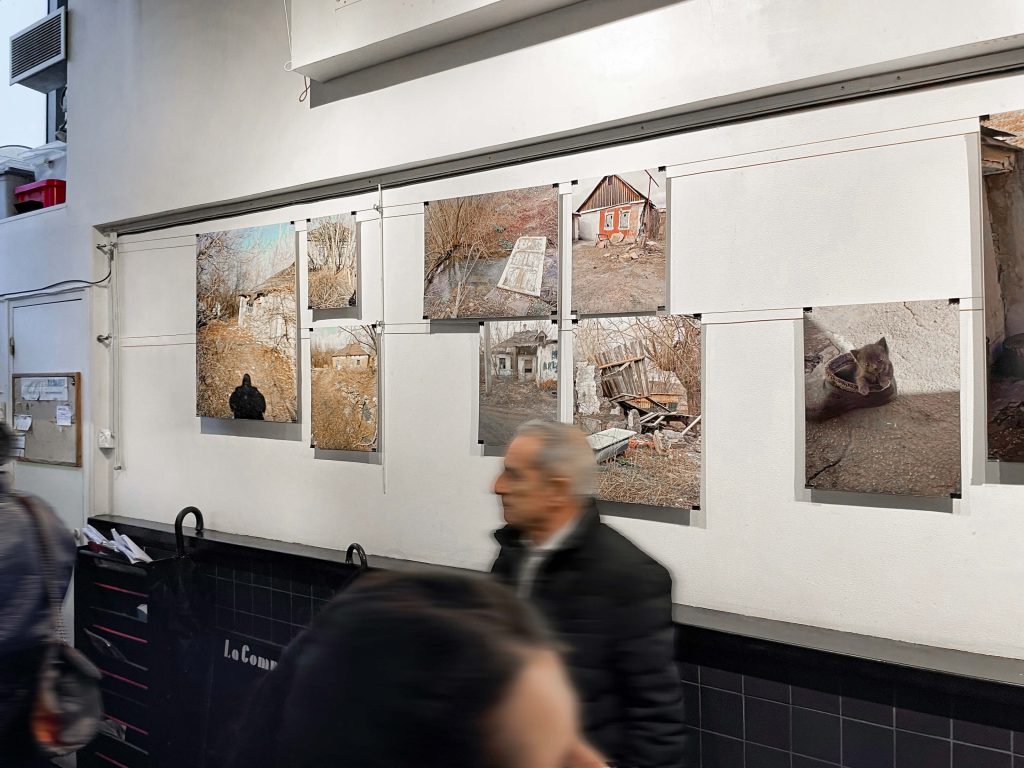
This project focuses on Myhailovena’s garden, her personal refuge or a safe space where she can escape from the outside world to be alone with herself. In this space, she observes the street life and interacts with her pets, who have become her closest friends since most of the neighborhood residents left after 2014. The photographs depict numerous abandoned and deteriorating buildings, which have fallen into disrepair due to neglect and the lack of people in the area.
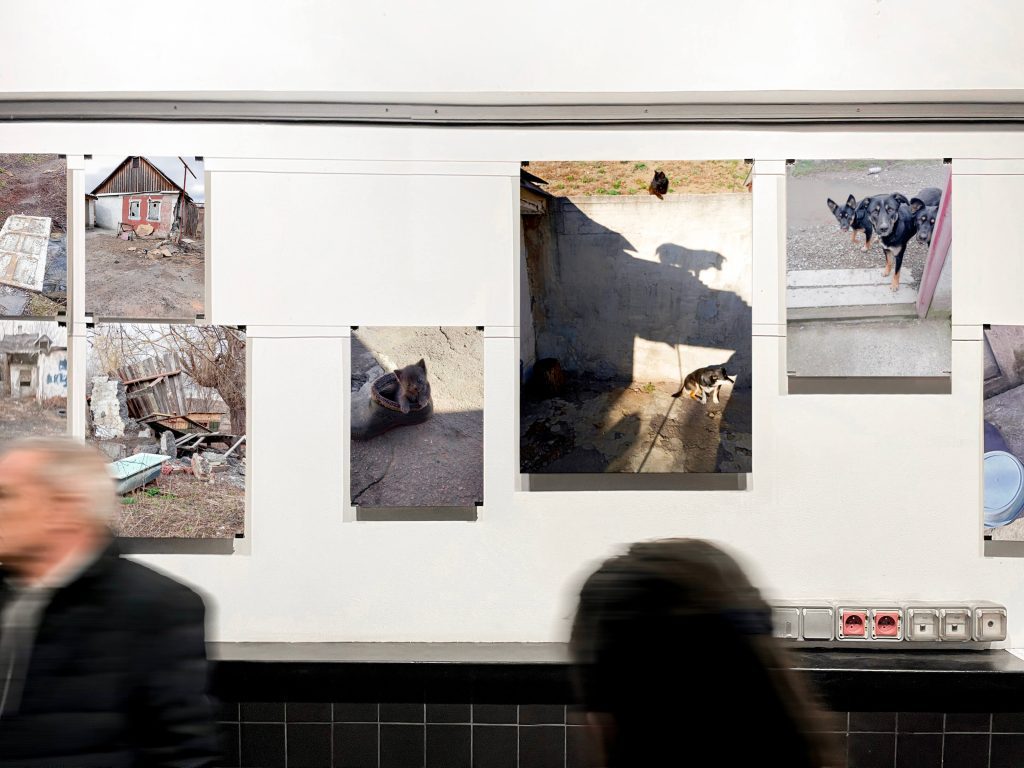
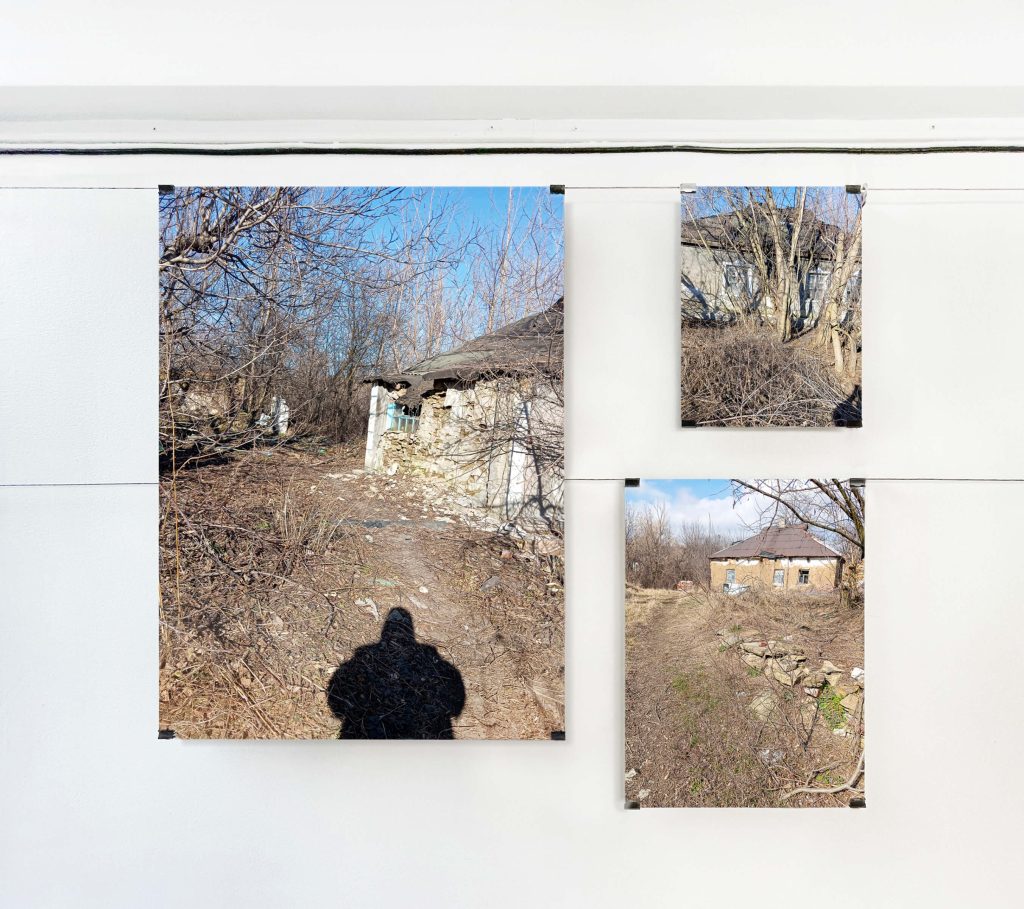
Mykhailovena has been taking photos of her daily life, her beloved garden and her lovely pets. The passion for photography started when her grandchildren moved away from Donetsk in 2014. Sharing photos is a way for her to reconnect with loved ones. She focuses on her blossoming garden and showing the life of the street where she has lived since 1956. Mykhailovena says her garden is an endless passion and the place where she can delight in reflection. She believes working with soil is the connection with nature and everything what surrounds.
The exchangeability of space is something unprecedented. Imagine going from a war zone just 11km from Avdiivka to a photo exhibition opening in Paris, and then returning to the front lines. The intensity of being in a war-torn area, surrounded by pain and suffering, only to find yourself hours later in Paris, where daily life continues as if the war doesn’t exist, is jarring. It completely alters the sense of solidity in space.
One moment you’re in Donetsk, immersed in conflict, and the next you’re in a taxi, and 12 hours later you’re in Paris. This experience highlights the flexibility and relativity of space, where drastically different realities can exist so closely, yet feel worlds apart.